Prosthetics in UAE

At Dynamic Medical Equipment Centre, prosthetics is not a side service. It is one of the two core disciplines we have built our practice around for over 20 years. We fit custom prosthetic limbs across the UAE — in Dubai, Abu Dhabi, and Sharjah — and we work with each patient from the first assessment through to long-term follow-up care.

Patients
0 k+
Years
0 +
Branches
0 +
Professionals
0 +
Get A Free Consultation Call

Types of Prosthetics We Fit In UAE

Below-Knee (Transtibial) Prosthetics

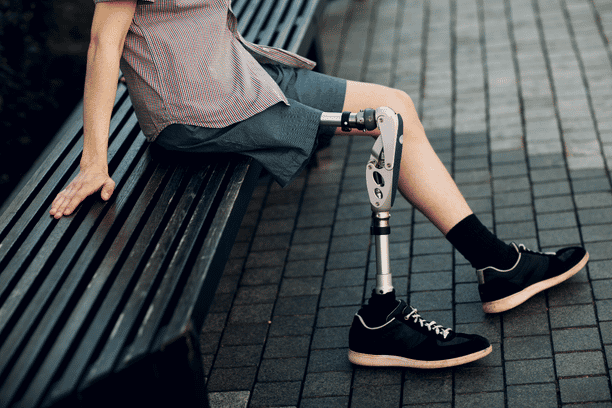
The most commonly fitted prosthetic limb. A transtibial prosthesis replaces the foot and lower leg while preserving the knee joint, which makes rehabilitation faster and functional outcomes generally better than above-knee amputations. The socket — the interface between the residual limb and the device — is custom fabricated to your limb's exact shape and volume.

Above-Knee (Transfemoral) Prosthetics

Above-knee prosthetics replace both the lower leg and the knee joint. Knee component selection is one of the most important clinical decisions for transfemoral amputees — options range from mechanical knees for lower-activity patients to microprocessor-controlled knees that adapt in real time to walking speed and terrain. Getting this right depends on a thorough activity assessment, not a default choice.

Partial Foot Prosthetics

For patients who have undergone a toe, ray, or partial foot amputation — often as a result of diabetic foot complications — a partial foot prosthetic or custom filler restores the mechanics of a complete foot during walking, reduces compensatory stress on the ankle and knee, and improves balance and gait symmetry.

Upper Limb Prosthetics

Upper limb loss presents different functional demands than lower limb loss, and the prosthetic options reflect that. We fit body-powered prosthetics, which use a harness and cable system to control a hook or hand; cosmetic prosthetics, which prioritise appearance; and myoelectric prosthetics, which use electrical signals from residual limb muscles to control a motorised hand or arm.

Paediatric Prosthetics

Children with congenital limb differences or acquired amputations have needs that change constantly as they grow. Prosthetic devices need to be reviewed and replaced regularly — typically every 12–18 months — and the prescription needs to match where the child is developmentally, not just physically. We work with families throughout the process to ensure the device supports the child's participation at school, in sport, and in daily life.

More Than 20k Patients Have Trusted Our Prosthetics Services

Our custom prosthetics in the UAE are prescribed for below-knee and above-knee amputations, partial foot loss, upper limb loss, diabetic amputation recovery, trauma, and congenital limb differences.

How It Works

Initial assessment.

We take a full picture — amputation level, residual limb condition, overall health, activity goals, and what you need the prosthetic to allow you to do. A 65-year-old recovering from a diabetic amputation has different goals than a 30-year-old trauma patient wanting to return to sport. The prescription follows from that.

Residual limb evaluation

We examine the shape, volume, skin condition, and strength of the residual limb. Limb volume fluctuates — particularly in the months after amputation — and a socket built without accounting for this will become uncomfortable or unusable quickly.


Socket fabrication

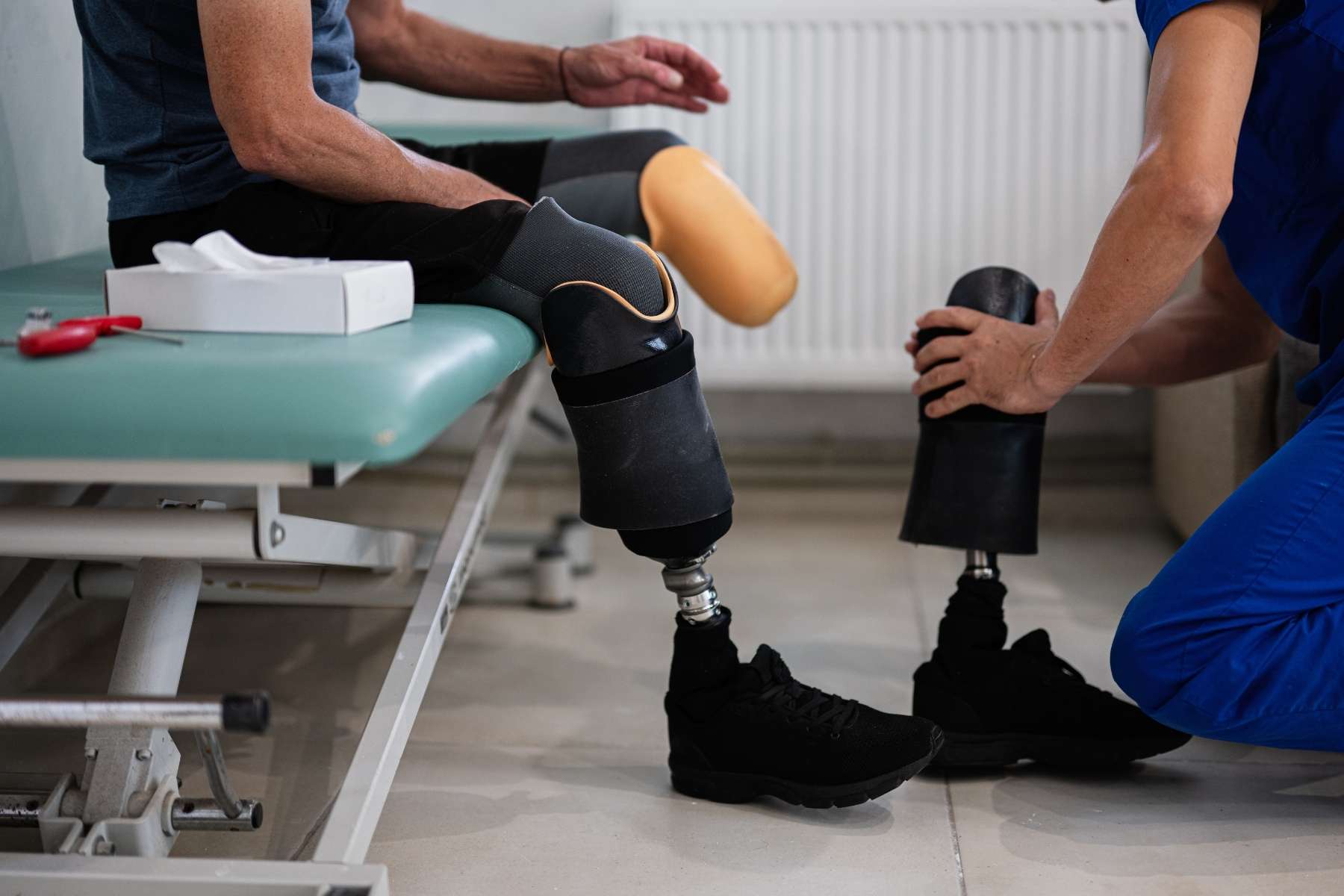
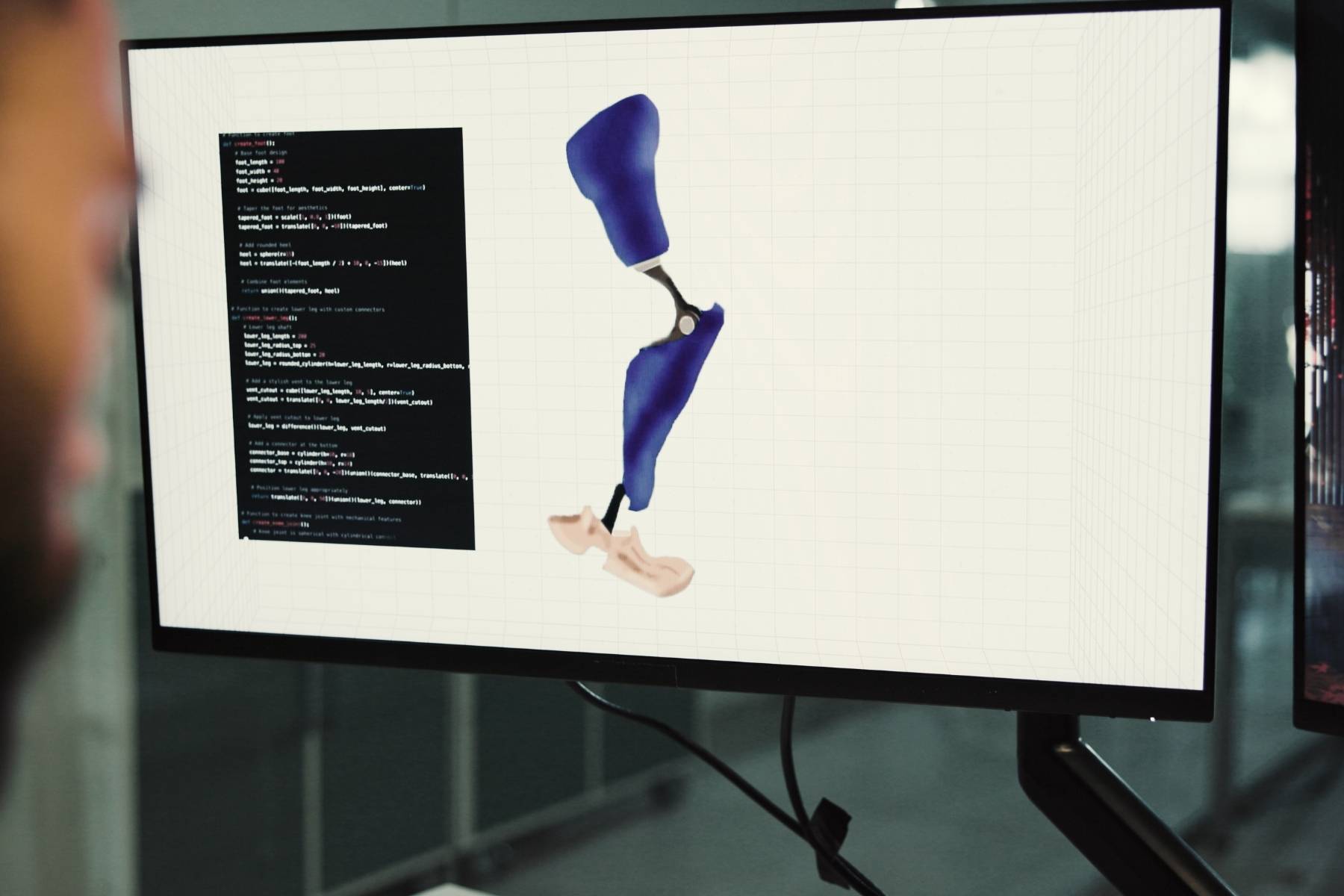
The socket is the most critical component of any prosthesis. It is cast or digitally scanned from your residual limb and fabricated to match precisely.

Component selection

Foot, knee, or hand components are selected based on your activity level, body weight, lifestyle, and goals. We explain the options clearly — what each one does, what the trade-offs are, and what is appropriate for your situation.

Fitting and gait training.

Once the device is assembled, we fit it, assess your gait, and make in-clinic adjustments. Gait training — learning to walk, balance, and move with the prosthesis — is part of the process, not a separate referral.

prosthetics in UAE for artificial upper and lower limb

Frequently Asked Questions

Have some questions about prosthetics in the UAE? Looking for the right prosthetic limb for your situation? Below are answers to common questions about amputation levels, prosthetic types, socket fitting, rehabilitation, insurance coverage, and how our specialist team supports you from your first assessment through to long-term care.

How long does it take to get used to a prosthetic limb?

This varies significantly by amputation level, age, overall health, and how much gait training is undertaken. Below-knee amputees with good residual limb health generally adapt faster than above-knee amputees. Most patients reach a functional baseline within a few months of consistent use and training — but returning to higher-level activities like running or stairs takes longer and depends on component selection and practice.

Do you fit prosthetics in UAE for children?

Yes. We see paediatric patients with congenital limb differences and acquired amputations across all our UAE clinics. Children’s prosthetics are reviewed every 12–18 months to account for growth and changing developmental needs.

Are prosthetics in the UAE covered by Daman insurance?

Coverage depends on your specific Daman plan and the clinical details of your case. We check this for you before your appointment.


Can I return to sport or physical activity with a prosthesis?

Many patients do. The right component selection makes a significant difference — a basic energy-return foot is not the same as an activity-specific carbon fibre blade. We discuss your activity goals at the assessment and factor them into the prescription. Return to sport is often a realistic goal, particularly for below-knee amputees.