Diabetic Shoes in UAE


The UAE has one of the highest rates of diabetes in the world. According to the International Diabetes Federation, the prevalence of diabetes in the UAE stands at around 16.3% — and among UAE nationals, studies have found rates as high as 25%. That means millions of people in this country are at risk of foot complications that the right footwear can prevent, and the wrong footwear can accelerate.

At Dynamic Medical Equipment Centre, we’ve been fitting diabetic shoes across the UAE for over 25 years. Our clinics are in Dubai, Abu Dhabi, and Sharjah.

Patients
0 k+
Years
0 +
Branches
0 +
Professionals
0 +
Get A Free Consultation Call
Diabetic shoes UAE for diabetic patients fitted by professionals

Why Diabetic Shoes are different?

Standard shoes are built for aesthetics and general comfort. Diabetic shoes are built to protect a foot that can no longer fully protect itself.

Peripheral neuropathy

Nerve damage caused by long-term high blood sugar affects sensation in the feet. When sensation is reduced, pressure sores, blisters, and skin breakdown can develop without the patient feeling them. By the time something is visible, it has often already become a wound. And in a diabetic foot with compromised circulation, wounds heal slowly and can escalate to infection and, in serious cases, amputation.

Diabetic shoes address this by eliminating the mechanical triggers. They are built with a deeper toe box to prevent rubbing, seamless interiors to eliminate friction points, softer materials that do not create pressure spots, and removable insoles that can be replaced with custom diabetic insoles for pressure redistribution.

The evidence is clear. A systematic review and meta-analysis of randomised controlled trials found that therapeutic footwear provided a clear benefit in preventing diabetic foot ulcer occurrence or recurrence compared with conventional footwear. A separate study found that patients who wore their custom diabetic shoes daily were significantly less likely to experience reulceration — with a risk ratio of 0.48 compared to those who wore them infrequently. In other words, wearing them consistently cuts re-ulceration risk roughly in half.

Who Needs Diabetic Shoes in the UAE?

Not every person with diabetes needs therapeutic footwear immediately, but the risk factors are common enough that the question is worth taking seriously.

You should consider diabetic shoes if you have been diagnosed with peripheral neuropathy or reduced sensation in your feet. Also, in case you have had a foot ulcer, blister, or sore that was slow to heal. If you possess visible foot deformities like bunions, hammer toes, or Charcot foot. Someone who has poor circulation in the lower limbs. Also, if you are currently wearing standard shoes or sandals without custom insoles. You spend long hours on your feet at work or have had a toe or partial foot amputation.

If you are managing diabetes and have never had a proper foot assessment, that alone is a reason to come in. A study on diabetes prevalence among UAE migrants found that 64% of those with diabetes were newly diagnosed at the time of the study — meaning a large proportion of people in the UAE are living with the condition, and its complications, without knowing it.

More Than 20k Patients Have Trusted Our Diabetic Shoes in UAE

Our diabetic shoes in the UAE are recommended for peripheral neuropathy, foot ulcer prevention, diabetic foot care, Charcot foot, heel pain, and post-surgery recovery.

How It Works

Medical and foot history

We ask about your diabetes management, any history of foot problems, current footwear, and how much time you spend on your feet daily.

Foot examination

We check for signs of neuropathy, assess circulation, examine skin condition, and identify any areas of callus or deformity that indicate where pressure is being concentrated.

Fitting

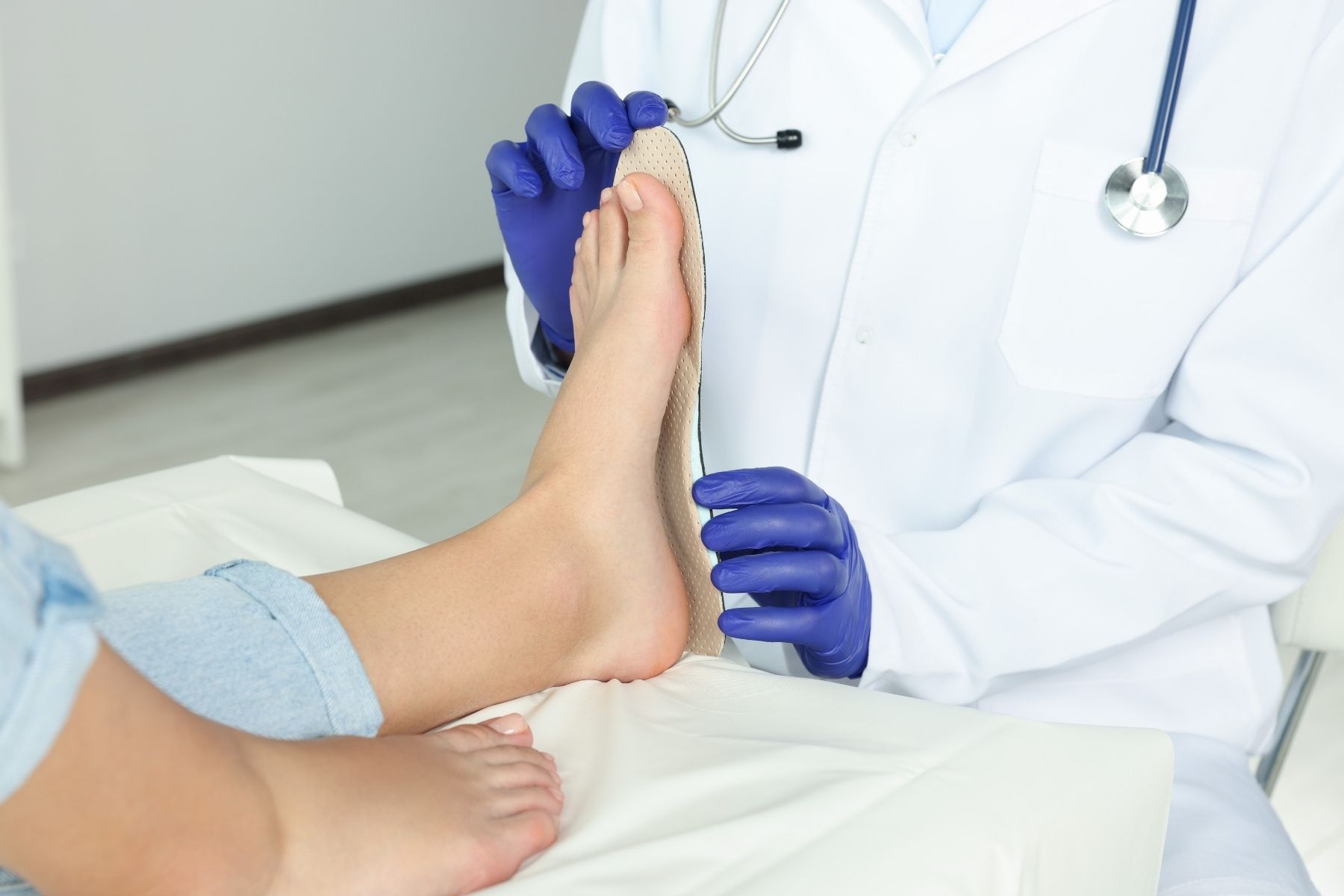
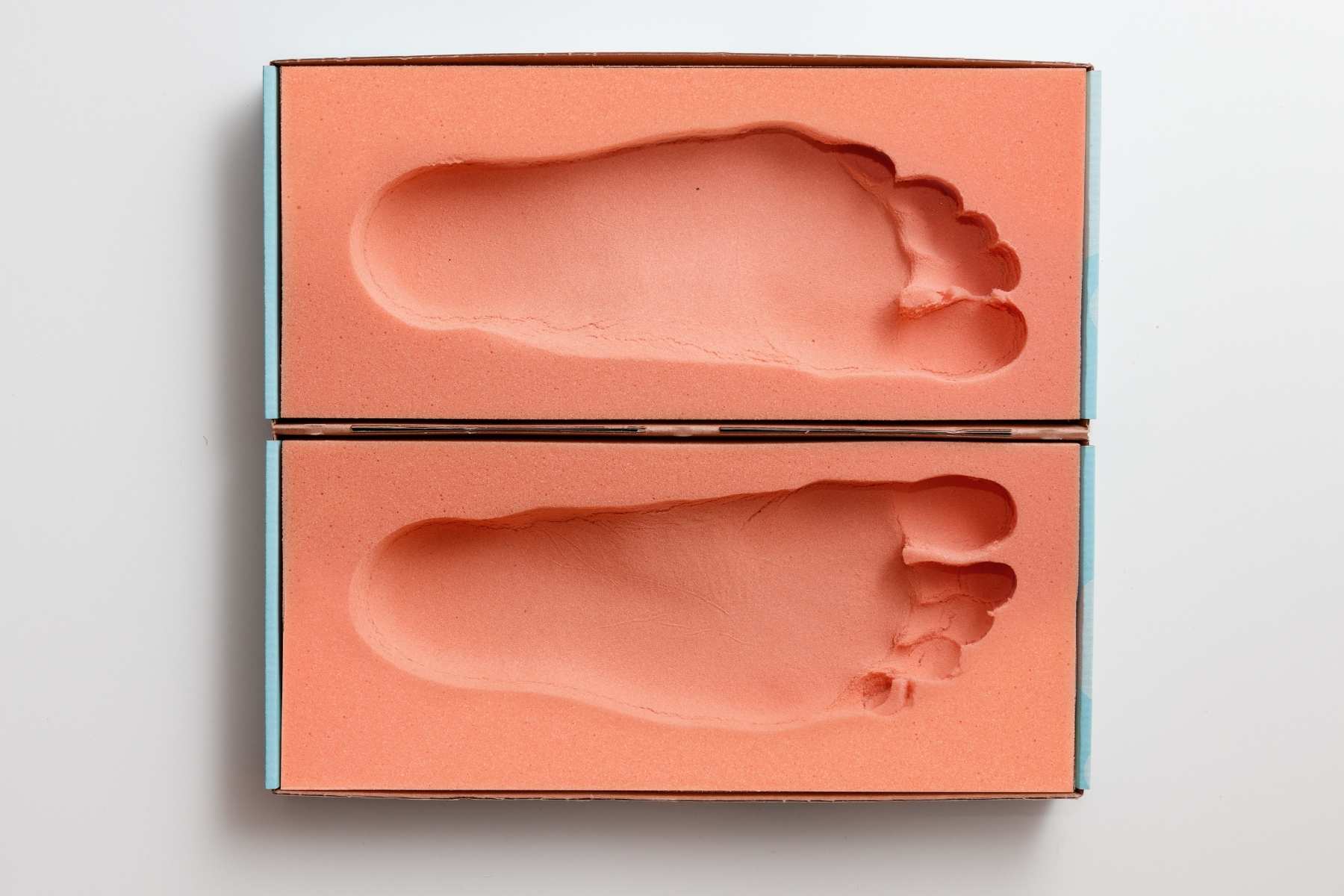
We fit you in the appropriate diabetic shoe for your foot shape and condition, checking fit across the toe box, heel, and width. If a custom insole is indicated, we cast or scan your foot at this appointment.

Custom insole fabrication

(where prescribed). Ready in 2–3 weeks. We fit the insole in your diabetic shoe at the follow-up appointment and assess your gait with it in place.

Education

we go through how to wear and inspect your feet daily, what warning signs to watch for, and when to come back for a check.


Medical Shoes in UAE by professionals at Dynamic Medical Equipment Center
Diabetic Shoes in UAE by Licensed Experts

Frequently Asked Questions

Have some questions? Looking for the right diabetic shoes in the UAE? Below are answers to the most common questions about therapeutic footwear, custom diabetic insoles, neuropathy foot care, insurance coverage, and how our specialist team can help you protect your feet and stay mobile with confidence.

What makes diabetic shoes in the UAE different from regular shoes?

Diabetic shoes in the UAE are built specifically for feet affected by neuropathy or poor circulation. They have a deeper toe box, seamless interiors, soft accommodating uppers, and removable insoles — all designed to eliminate the pressure and friction that cause foot ulcers in diabetic feet.

Do I need diabetic shoes if I haven't had an ulcer yet?

Yes — diabetic shoes are primarily a preventive tool. By the time an ulcer develops, the damage is already done. If you have neuropathy, reduced sensation, or visible foot deformity, protective footwear should already be part of your daily routine.

Can I wear my diabetic shoes in UAE all day?

Yes, and you should. The protective benefit only applies when the shoes are on. Research consistently shows that patients who wear therapeutic footwear daily have significantly better outcomes than those who wear them occasionally.

Are diabetic shoes covered under Daman?

Coverage depends on your specific Daman plan and your clinical situation. We verify this for you before your appointment