Prosthetic Leg UAE

If you’ve had a leg amputation —  the question most patients ask first is not about the device. It’s about what life looks like afterwards. Can I walk normally? Can I go back to work, to my family, to doing the things I did before?

The honest answer is that it depends — on the amputation level, your overall health, the quality of the prosthetic leg you’re fitted with, and how well you’re supported through rehabilitation. At Dynamic Medical Equipment Centre, we’ve been fitting prosthetic legs across the UAE for over 20 years. We work with you through the full process — assessment, fitting, gait training, and long-term follow-up care.

Patients
0 k+
Years
0 +
Branches
0 +
Professionals
0 +

The Most Common Causes of Leg Amputation in the UAE

Get A Free Consultation Call

The Most Common Causes of Leg Amputation in the UAE

Diabetes is the leading cause. The UAE has one of the highest diabetes rates in the world, and diabetic peripheral vascular disease — where blood supply to the lower limbs becomes critically compromised — is the pathway that leads to amputation when a foot ulcer or wound cannot heal because circulation is insufficient. Given that studies have found diabetes prevalence among UAE nationals as high as 25%, this is a condition we see regularly at our clinics. Road traffic accidents and workplace injuries account for most trauma-related amputations. Cancer, infection, and congenital limb differences make up a smaller but clinically important group.

Amputation Levels and What They Mean for Your Prosthetic Leg

Below-Knee (Transtibial) Amputation

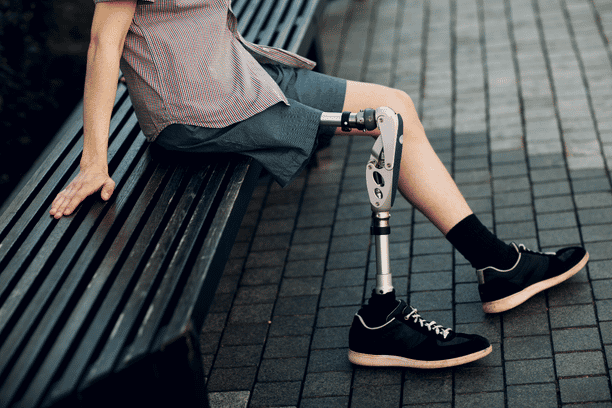
The knee joint is preserved, which makes a significant difference. Below-knee amputees retain full control of knee flexion, which means walking mechanics are closer to natural gait and the rehabilitation curve is shorter. A transtibial prosthetic leg consists of a custom socket fitted to the residual limb, a connecting pylon, and a prosthetic foot chosen based on your activity level and goals.

Above-Knee (Transfemoral) Amputation

Above-knee prosthetic legs are more complex because the knee joint must also be replaced. Knee component selection is the most critical clinical decision for transfemoral amputees. Mechanical knees use a spring or hydraulic system to control swing. Microprocessor knees — such as the Ottobock C-Leg — use sensors to adjust resistance in real time to walking speed, terrain, and stumble recovery.

Partial Foot Amputation

For patients who have undergone a toe, ray, or partial foot amputation — often as a result of diabetic foot complications — a partial foot prosthetic or custom filler restores the mechanics of a complete foot during walking, reduces compensatory stress on the ankle and knee, and improves balance and gait symmetry.

Upper Limb Prosthetics

Upper limb loss presents different functional demands than lower limb loss, and the prosthetic options reflect that. We fit body-powered prosthetics, which use a harness and cable system to control a hook or hand; cosmetic prosthetics, which prioritise appearance; and myoelectric prosthetics, which use electrical signals from residual limb muscles to control a motorised hand or arm.

Bilateral Leg Amputations

Patients who have lost both legs face different challenges — balance, energy expenditure, and the complexity of managing two prosthetic limbs simultaneously. We fit bilateral lower limb amputees across our UAE clinics and have experience managing the additional rehabilitation demands this involves.

More Than 20k Patients Have Trusted Our Prosthetics Leg Services

Our custom prosthetic legs in the UAE are fitted for below-knee, above-knee, partial foot, and bilateral amputations — prescribed after a full clinical assessment, with gait training and long-term follow-up included.

How It Works

Initial assessment.

We take a full picture — amputation level, residual limb condition, overall health, activity goals, and what you need the prosthetic leg to allow you to do. A 60-year-old recovering from a diabetic amputation has very different goals from a 35-year-old trauma patient who wants to return to sport.

Residual limb evaluation

We examine the shape, volume, skin condition, and strength of the residual limb. Limb volume fluctuates — particularly in the months after amputation — and a socket built without accounting for this will become uncomfortable or unusable quickly.


Socket fabrication

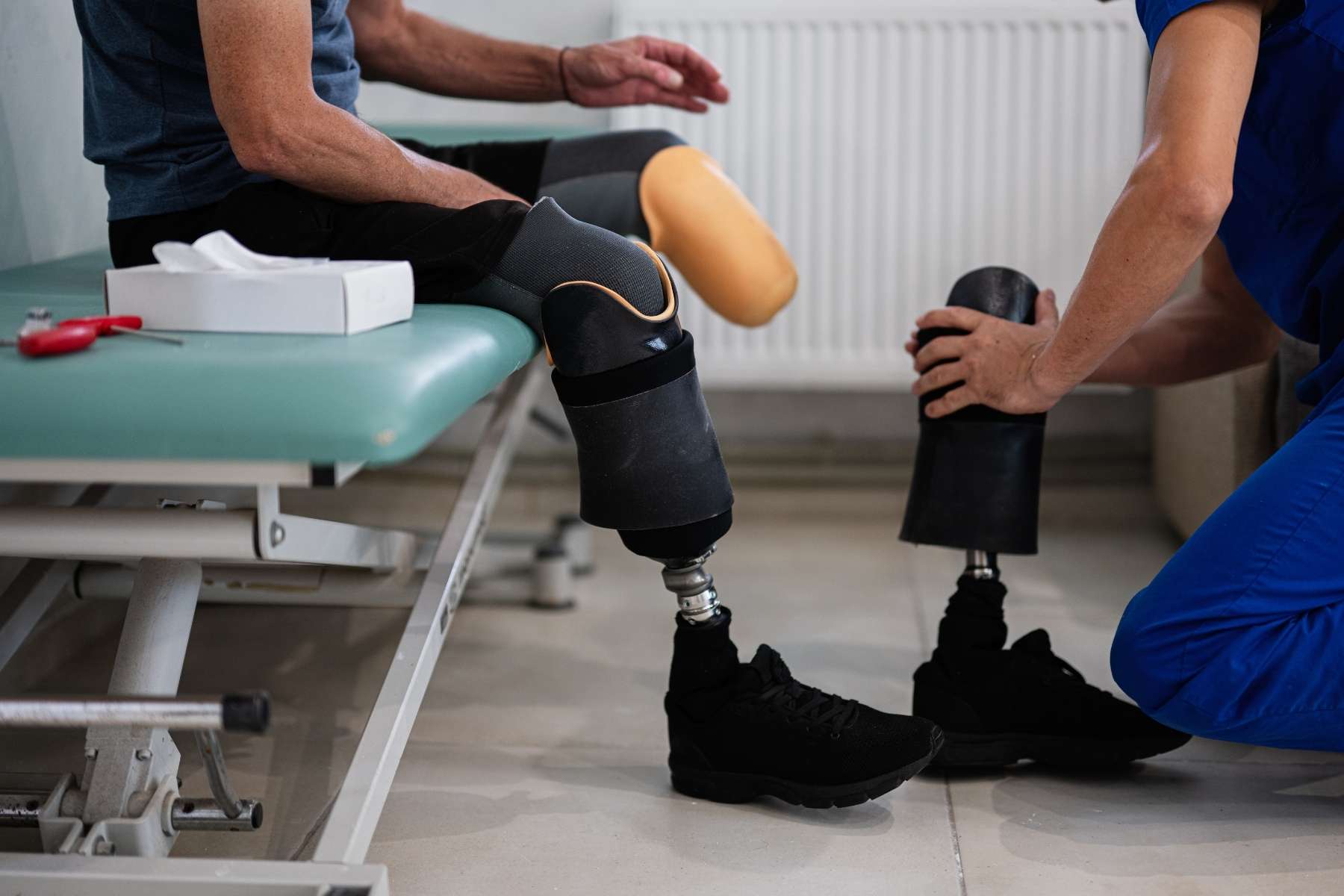
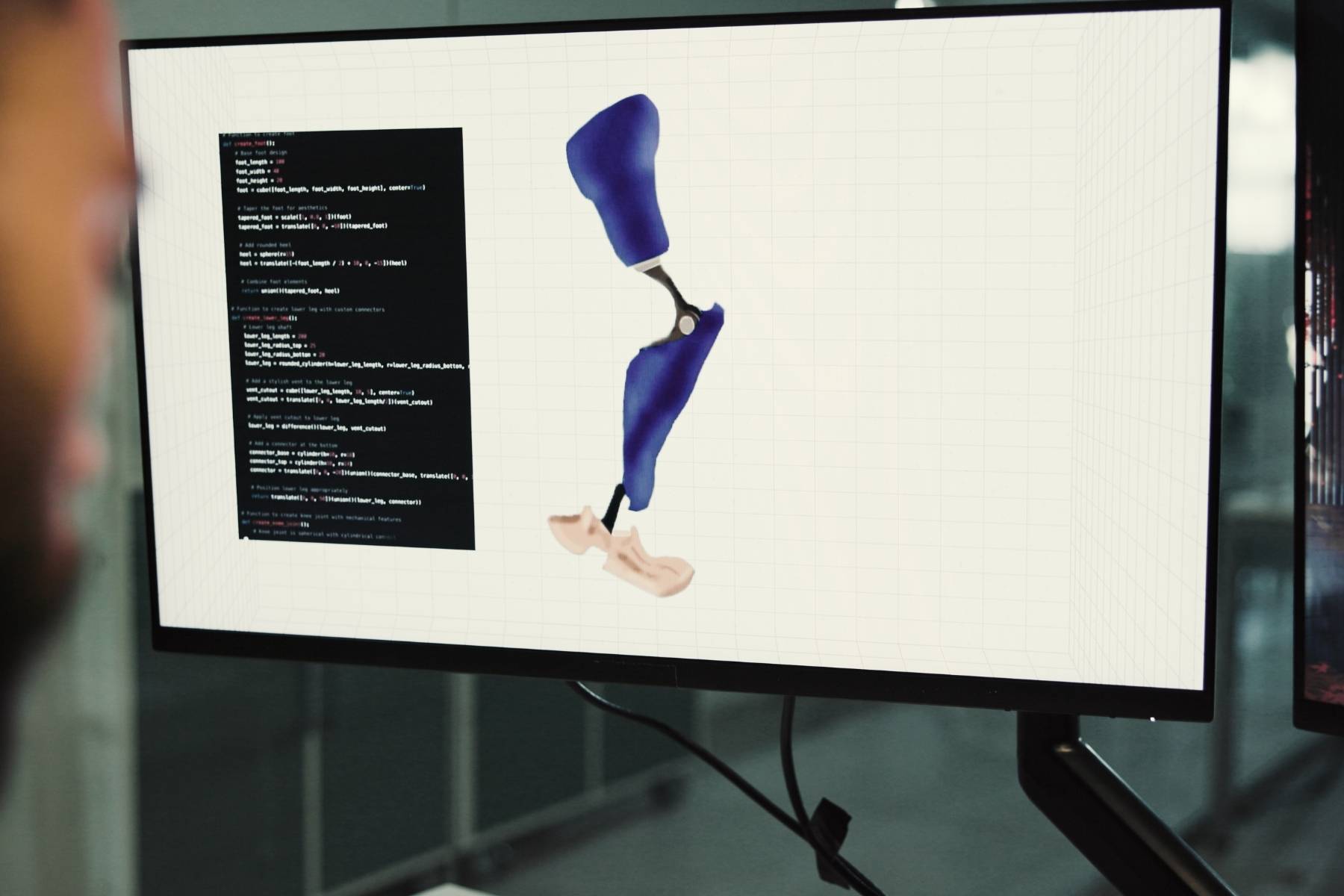
he socket is the most critical component of any prosthetic leg. It is cast or digitally scanned from your residual limb and fabricated to match precisely. The fit at this stage determines everything — comfort, control, and how much energy the device costs you to use.

Component selection

Foot, knee, or hand components are selected based on your activity level, body weight, lifestyle, and goals. We explain the options clearly — what each one does, what the trade-offs are, and what is appropriate for your situation.

Fitting and gait training.

Once the device is assembled, we fit it, assess your gait, and make in-clinic adjustments. Gait training — learning to walk, balance, and move with the prosthesis — is part of the process, not a separate referral.

prosthetics in UAE for artificial upper and lower limb
Prosthetic Leg in UAE by experienced doctors

Frequently Asked Questions

Have questions about getting a prosthetic leg in the UAE? Looking for the right device for your amputation level and lifestyle? Below are answers to common questions about below-knee and above-knee prosthetics, socket fitting, microprocessor knees, gait training, insurance coverage, and what long-term care looks like at our UAE clinics.

How soon after amputation can I be fitted for a prosthetic leg in the UAE?

Most patients are assessed for prosthetic leg fitting once the wound has healed and the residual limb has stabilised — typically 4–8 weeks post-surgery, though this varies by individual. Fitting before the limb has stabilised means the socket will quickly become ill-fitting as swelling reduces. We assess readiness at your first appointment and plan timing accordingly.

Is wearing a prosthetic leg painful?

A well-fitted prosthetic leg should not be painful. Some discomfort during the break-in period is normal as the residual limb adapts to load-bearing, but persistent pain usually indicates a socket fit issue. We follow up specifically for this and adjust the socket as needed — this is part of the care, not an extra.

Can I walk normally with a prosthetic leg?

Many below-knee amputees achieve a gait that is close to natural in everyday situations. Above-knee amputees typically have a more noticeable gait pattern, though modern microprocessor knees significantly improve symmetry and confidence. The quality of gait depends heavily on socket fit, component selection, and the amount of gait training undertaken.

Is a prosthetic leg covered by Daman insurance in the UAE?

Coverage depends on your specific Daman plan, the amputation level, and the components required. Higher-specification components may need additional documentation. We verify your benefits before your appointment and guide you through the process.